• An Image Slideshow
  • An Image Slideshow
  • An Image Slideshow

Newsletter Sign Up

Facebook

Send Us A Facebook Message


How to clear a blocked drain

 
How to clear a blocked drain...

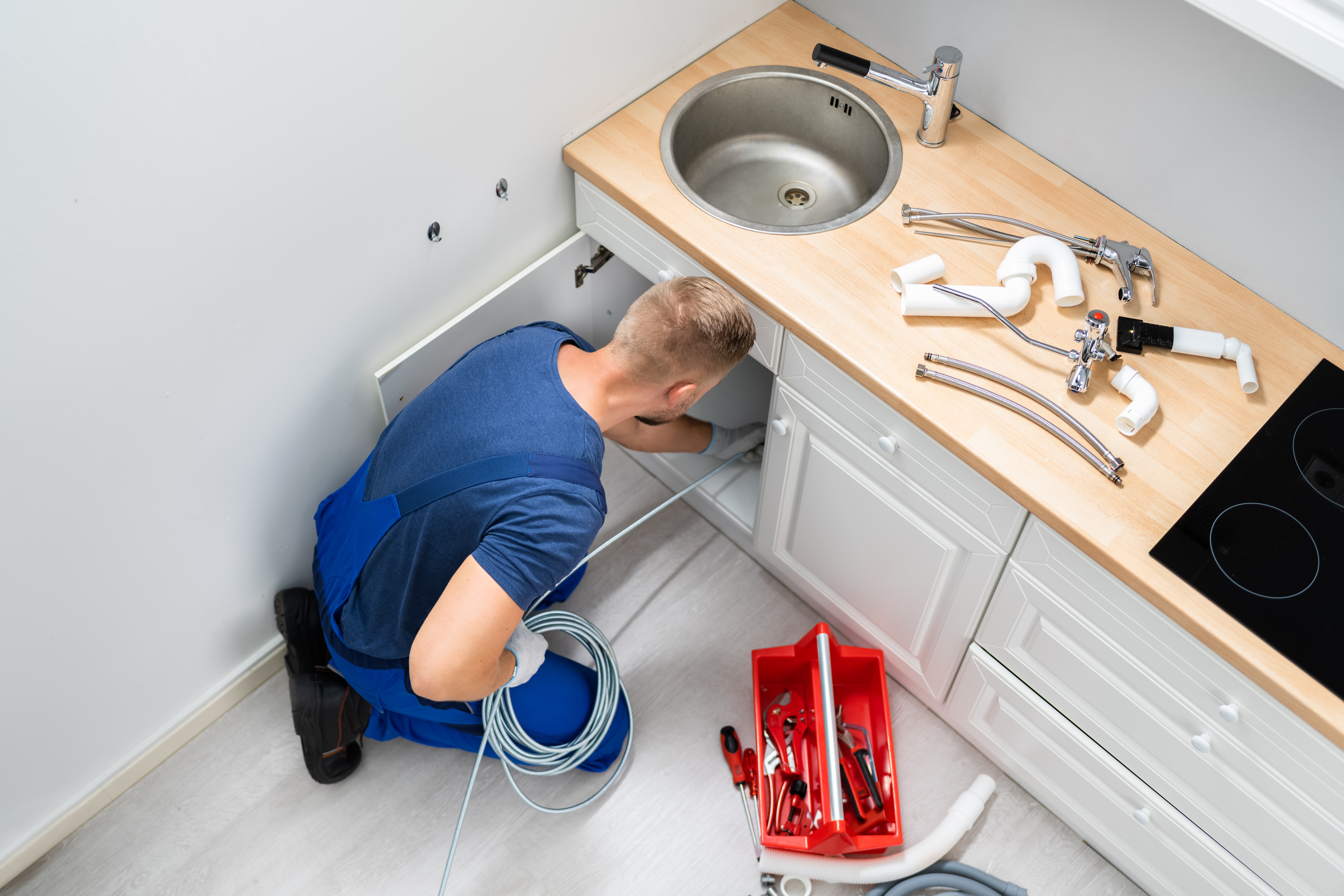
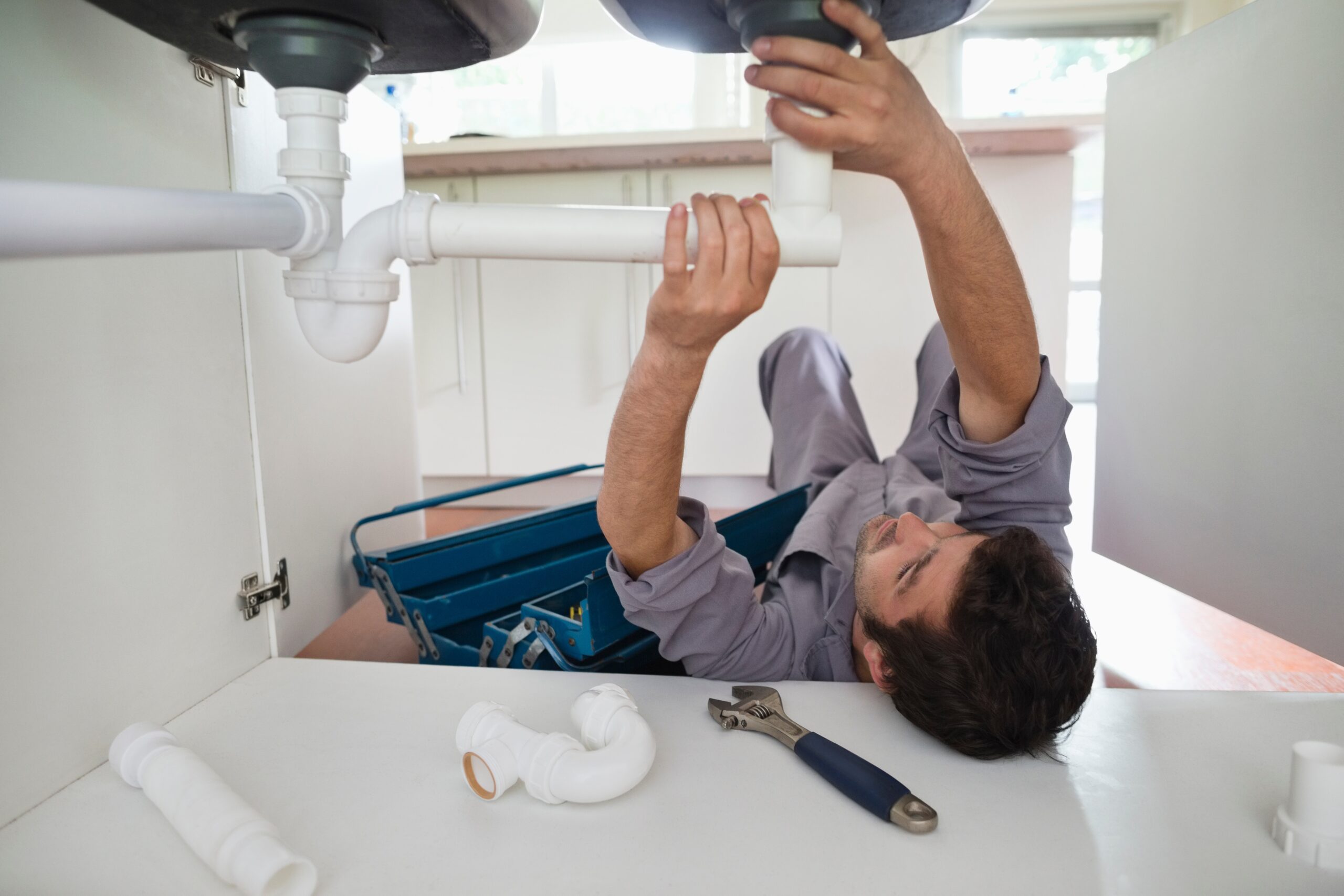
Being Mr Drains, the leading drain specialist in Australia, you can imagine just how often we get asked to clear a blocked drain every day!

The method for clearing a blocked drain is simple;
  • Find what fixtures are effected and then locate the common pipe they run into
  • Check for inspection openings downstream of these fixtures to see if they are blocked 
  • Ask your neighbour if their drain is blocked too in case the problem is in the main line
  • Run your drain cleaner through the inspection opening closest to the blockage
  • Clear drain and test to ensure it is running properly by flushing half a bath of water or backwash the pool

There are several types of drain cleaners available;
  • Plunger - Not very effective as it pushes the blockage further downstream and leaves the cause of the blockage behind. You'll be back the next day to clear it again!
  • Electric Eel - This is the old way of clearing a drain using an electric motor and some cables to tear at the blockage. Because it only tears at the blockage the drain is left 70% clear.
  • Water Jetter - Most plumbers preference, using water and a powered high pressure pump. It not only removes the blockage but it scrubs the pipe clean in half the time it would take an eel.
Although you can hire an electric eel to clear your drain yourself, it pays to use a licensed plumber to have the job carried out properly. I have seen many injuries caused by the incorrect use of an eel.

If your blockage is caused by tree roots you can expect the drain to block again soon. Depending on the species of tree, a drain can block within 3 months of having it professionally cleared. In most cases a drain will stay cleared for 12-18 months if cleared with a high pressure water jetter.


how to clear a blocked drain, blocked drain, blocked drains

This drain blocked after Telstra 'tunnel-bored' a service straight through the drain!
Our client was fully reimbursed for our costs by Telstra.


After the drain has been cleared you have five options;
  • Just leave it until next time it blocks and just hope it's not during Sunday lunch with the in-laws - Temporary
  • Have it inspected with a drain camera to locate the cause and position of the blockage - Temporary
  • Dig up the problem area of pipe and replace it with new plastic pipe - Permanent but disruptive
  • Insert a new sleeve inside the old pipe without digging up your property - Permanent
  • Apply a root foam agent annually to inhibit tree root regrowth - Temporary

how to clear a blocked drain, blocked drain, blocked drains

This is a large root blockage I removed from a drain years ago using the water jetter.
An eel could not penetrate a blockage like this. Because the damage was caused by a
Council tree, we assisted our client in claiming all their costs back from the Council.


Read more at... www.mrdrains.com.au/services/blocked-drains


Add Comment | Views: 102 |

Incoming Hot Water Legislation... Where do you stand?

Incoming Hot Water Legislation... Where do you stand?

Did you know that water heating is the largest single source of greenhouse gas emissions from the average Australian home and accounts for about a quarter of household energy use?

Currently about 50 per cent of Australian households use conventional electric hot water systems to heat water in their homes. These systems are three times less efficient than other technologies available and produce a great deal more greenhouse gas emissions. Other more efficient technologies include solar, heat pump and high efficiency gas.

Significant greenhouse savings can be made by switching from conventional electric water heating to low-emission alternatives. Householders may also save money on their electricity bills each year by switching to a low-emission water heater.

Conventional residential electric hot water systems produce about four tonnes of carbon dioxide per year — up to three times that of more efficient technologies. By phasing out greenhouse-intensive water heaters, greenhouse gas emissions can be reduced by about 50 million tonnes in the period from 2010 to 2020.

You will not have to purchase a low-emission hot water system until your current one needs to be replaced.

Switching to low-emission technologies

A range of low-emission technologies are available for water heating in your home. When properly installed and used efficiently, low-emission hot water systems provide householders with an opportunity to reduce their greenhouse gas emissions and reduce their energy bills. Builders of new houses and households replacing an existing hot water system can choose from a range of low-emission alternatives to suit their home, climate and budget, including:

• Heat pump

• Gas

• Solar (electric or gas boosted).

If you have access to piped/reticulated natural gas, you aren’t limited to installing a gas hot water system; choose the option that best suits your needs.

Implementing the phase-out

The phase-out will be implemented in two parts : new dwellings and existing dwellings, and each according to their class.(1A, B, 2.)


2010

All new dwellings, class 1A+B,

All existing class 1A+B dwellings in a gas reticulated area,

2012

All existing class 1a+b dwellings,

2013

All new dwellings, class 2, with access to reticulated gas,

2013-15

All new dwellings, class 2, without access to piped gas

2018-20

All dwellings 

Class 1A- single dwelling being a detached house, or one or more attached dwellings, each being a building, separated by a fire-resisting wall, including a row house, terrace house, town house or villa unit.Class 2- A building containing 2 or more sole-occupancy units each being a separate dwelling.
Class 1B-  boarding house, guest house, hostel or the like with a total area of all floors not exceeding 300m2, and where not more than 12 reside, and is not located above or below another dwelling or another Class of building other than a private garage.

Our qualified plumbers can assess your situation and find the solution that is right for you.

Please call 9986-1234 and we will discuss your options with you.

Add Comment | Views: 73 |

Water Pressure Management


Welcome to the iDrain Weekly………………………….

Each week we will explore topics that surround us every day at Mr Drains and beyond. In this blog we will try and shine some light on some common and not so common questions that directly affect you and your home and by increasing awareness you can increase the savings.

This week I had the opportunity to talk with some industry figures about why Sydney Water want reduce the water pressure in Sydney’s water mains.

Excessive water pressure can lead to water main breaks and cause leaks in Sydney Water's system.

Water pressure management aims to adjust water pressure levels in the supply system to achieve more consistent pressure levels which will reduce the number of watermain breaks, improve the reliability of the water supply system and conserve water.


Most properties across Sydney have a pressure between 150kPa and 650kPa. Some properties receive significantly higher water pressures – up to 1000kPa. Sydney Water has a water pressure management program to target those areas where pressure levels are well above average and there is a history of water main breaks.

The bare bones is that Sydney Water want to be seen to be doing the right thing by

·        Meet water conservation targets by reducing demand and leaks.

·        Improve reliability and continuity of supply as a result of reduced main breaks.

·        Reduce pressure fluctuations to achieve more consistent pressures across the water supply system.

·        Extend the life of Sydney Water’s water mains and assets.

However, a strategy like this is not without its problems. A reduction in pressure can cause trouble in a plumbing system and although Sydney Water will continue to meet its licence condition of 150kPa minimum, certain adjustments may have to be made to both domestic and commercial premises alike.   We are currently regulating water pressure in selected areas in various suburbs around Sydney, the Illawarra and the Blue Mountains.

As this scheme is rolled out and you experience any pressure related issues please check that:

·        The tap on your water meter that controls flow to your property is fully turned on.

·        Any taps that control flow to your hot water system and other devices are fully turned on.

If you continue to experience water pressure problems, or for further information please phone the team at
Mr Drains 9986-1234.
by Mick Slatter

Add Comment | Views: 62 |

iDrain Weekly - The Plumbing blog for people who know or want to know

Welcome to the iDrain news update!

Mr Drains has been serving the suburbs of Sydney for over 25 years and through hard work and commitment we have our database full of clients who consider us their plumber and we are always surprising our clients with new ways to serve them.

 
We value our customers and will never be unavailable when you need us the most.  If something unexpected comes up call the team that offers experienced technicians, all the right advice at reasonable rates all the year through.


Add Comment | Views: 78 |
We have 15 guests online
Specialising in blocked drains, emergency plumbing sydney, blocked drains sydney, tree roots on drains, tree roots , blocking drains, blocked drains Lindfield, blocked drains st ives, blocked drains gordon, blocked drains killara, blocked drains roseville, blocked drains pymble, drain unblocking, clear drains, plumber, plumber sydney, emergency plumber, blocked drains chatswood, blocked drains mosman, blocked drains wahroonga, blocked drains neutral bay